
...

New Zealand Scenic Wonders Tour

Welcome!

Below you will find everything you need to know about the trip, from logistics, to packing lists, to photographic prep. Please review everything in detail and let us know if you have any questions at all.

Please bookmark this page for easy reference.

1) Get Rid of Your Photography Expectations

There is arguably nothing more important to having a satisfying photographic experience than shooting from a standpoint of zero expectations. At every location we will be on the lookout for many kinds of scenes and compositions, from grand to intimate. Therefore, not having a fixed idea of what “the best shot” is for each location will allow you to be more fully open to the various opportunities we encounter.

I will be pointing out the shots that I see at each location, the things I noticed, and how to approach capturing each image. 

2) Set Clear, Specific Goals

Pick one or two things you’d like to learn and focus on those. Don’t try to learn astrophotography, and abstracts, and macro, and luminosity masking all at once. You’ll overload yourself and your progress in each of those things will be much slower. Instead, choose the one thing you are most interested in and work toward that.

It’s also imperative that you make your goal specific with a clear outcome: For example, these are all great photography goals:

  • I want to learn how to get my entire photo in sharp focus from front to back every single time.
  • I want to learn how to capture the Milky Way core and ensure it’s sharp.
  • I want to learn how to find and photograph in-your-face foregrounds.


Notice how you can say definitively yes or no if you have achieved these goals. That’s the key of making a good photography goal. There’s a measurable, clear outcome.

You should avoid generic goals like “I want to be better at photography,” because there’s no clear outcome. The more specific you are with your goal, the easier it will be to achieve.

3) Ask Questions

This is your opportunity to dig into the nitty gritty of landscape photography with your guides. Don’t be shy! We’re here to help. 

We will do our best to guide everyone in the field, but we’re not mind readers: asking specific questions lets us know what we can help you with.

4) Take Time to Decompress and Be Still

Don’t feel that you need to be shooting every moment of every excursion. This can be utterly overwhelming and can create a strong sense of FOMO (fear of missing out) if you are not actively photographing. 

We actively encourage you to take time to simply be in the landscape and enjoy it, without your camera up to your eye. Appreciate what makes this place special to you, relax, and unwind your mind. This trip should be as restorative as it is inspiring.

5) CRITICAL: Know Your Camera

The better you can use your camera, the more prepared you will be to capture quickly changing conditions. Spend time practicing these 20 essential skills before the trip.

Download 20 Skills eBook.

Day 1, May 1 – Christchurch to Kaikoura

The Plan: We will meet for breakfast in Christchurch then load up in our private transportation and head to Kaikoura to photograph the stunning coastline.

Approximate Travel Time: 2.5 hrs, plus photography and toilet breaks.

Day 2 – Kaikoura to Nelson

The Plan: Start with an early morning wildlife cruise, then we will hit the road for Nelson and the beautiful Golden Bay.

Approximate Travel Time: 3.5 hours

Day 3 – Nelson to Collingwood

The Plan: On this day we’ll head for the Eye of the Kiwi, the far north beach of Wharariki, one of the most stunning beaches in the world.

Approximate Travel Time: 2.5 hours
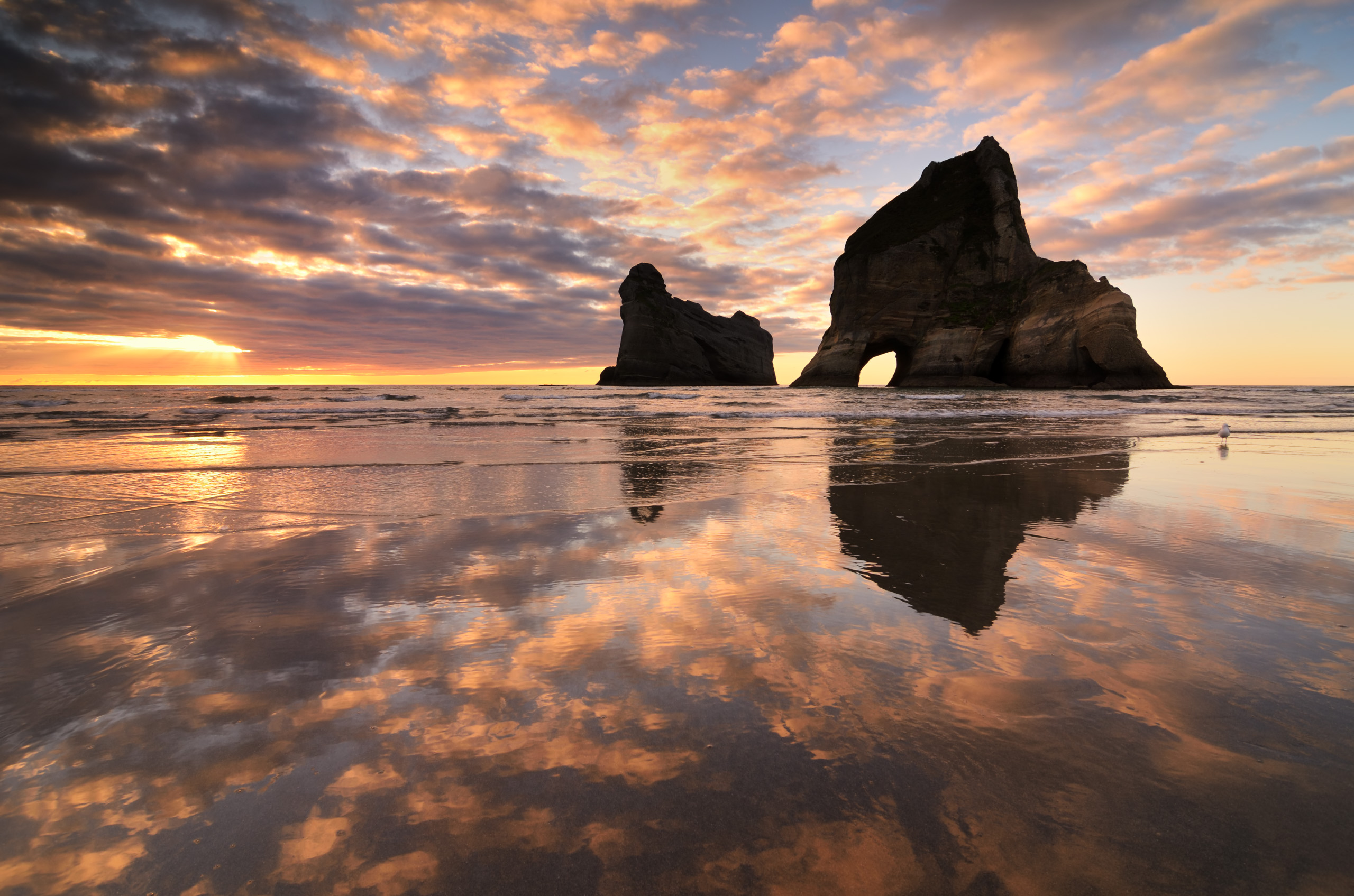
Day 4 – Collingwood to St Arnaud

The Plan: From the coast we’ll move into the mountains to enjoy the pristine serenity of Nelson Lakes National Park.

Approximate Travel Time: 3 hours

Day 5 – St. Arnaud to Punakaiki

The Plan: After our mountain therapy it’s back to the coast to photograph the fascinating Pancake Rocks.

Travel time: 3 hours
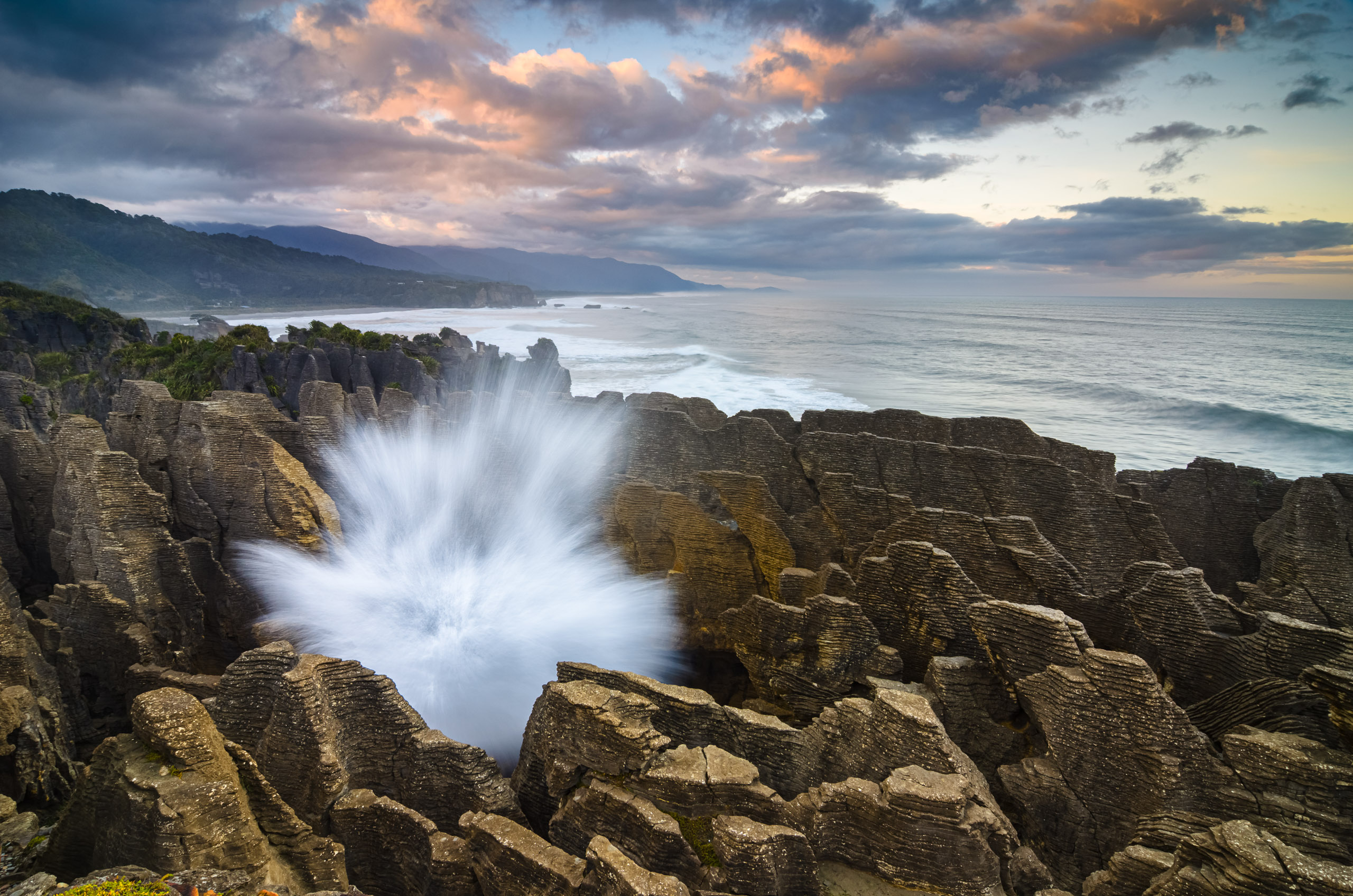
Day 6 – Mellow Day in Punakaiki

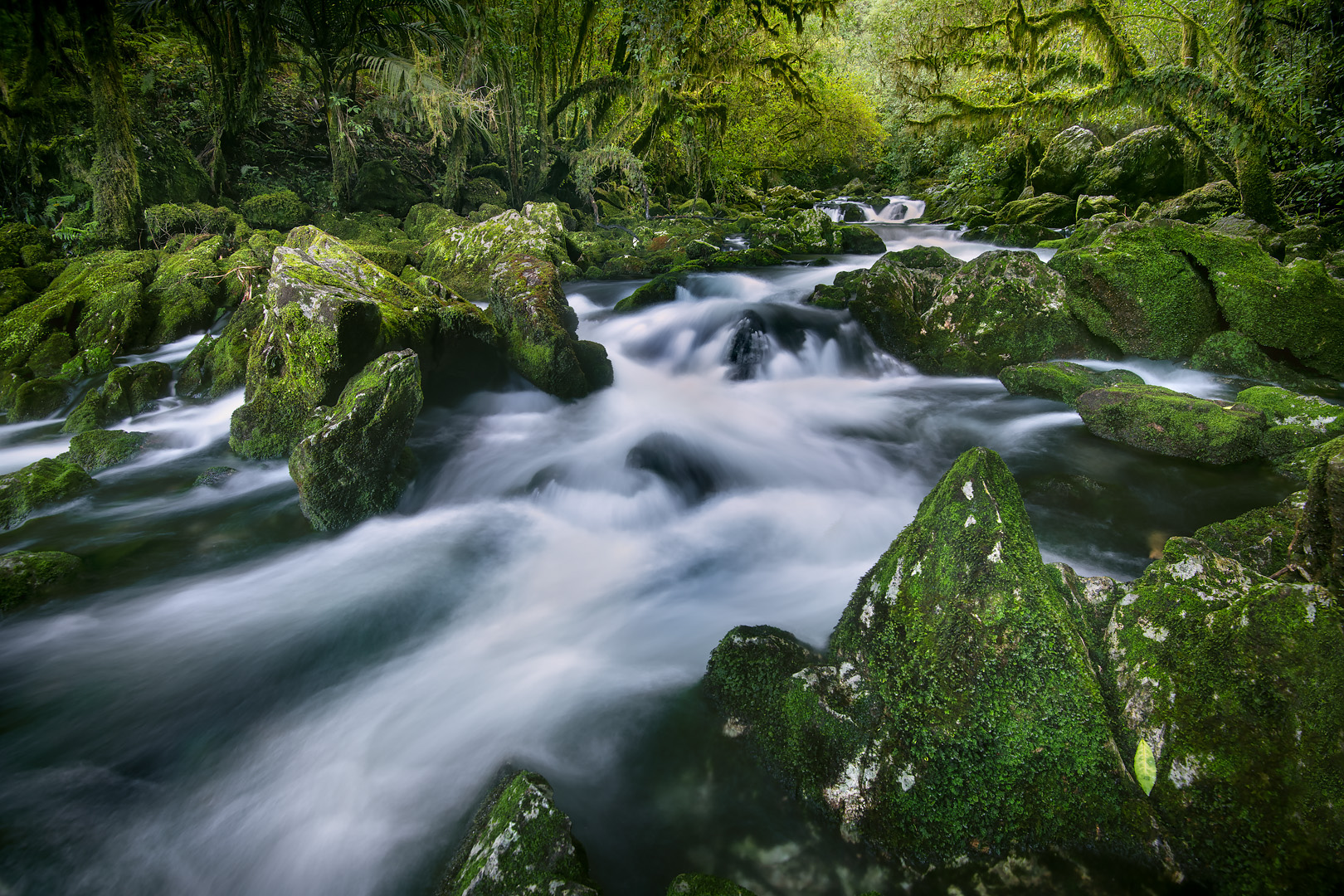
The Plan: We’ll enjoy a calm day in Punakaiki this day, photographing the coast and beautiful forests nearby.

Day 7 – Punakaiki to Fox Glacier

The Plan: On day 7 our group will move down the coast to Fox Glacier, where we’ll enjoy incredible glaciers, lakes, and forests.

Approximate Travel Time: 3.5 hours

Day 8 – Fox Glacier

The Plan: A mellow day in Fox, where we’ll explore the best of the nearby coast and waterfalls.

Day 9 – Fox Glacier to Arthur’s Pass

The Plan: From Fox Glacier we begin to move back across the island, traveling to dramatic Arthur’s Pass National Park where towering mountains and alpine Kea are plentiful.

Approximate Travel Time: 4 hours.

Day 10, May 10 – Arthur’s Pass to Christchurch

The Plan: On the final day we will have a last shoot in Arthur’s Pass then make our way back to Christchurch to end the trip. 

Approximate Travel Time: 2 hours.
 

*Please note that this itinerary may change at any time due to conditions, weather, or circumstances beyond our control. 

For reference, here’s what a typical day will look like. Sunrise is around 7:20 am, and sunset is around 5:40 pm.

  • 6:00 am – meet in the hotel parking lot and drive 15-30 minutes.
  • 6:30 am – walk 15- 30 minutes over good terrain to our shooting location.
  • 6:45 am – arrive on location 30 minutes prior to sunrise and begin exploring and shooting.
  • 7:20 am – sunrise.
  • 8:30 am – wrap up morning shoot, and walk back to the coach.
  • 9:00 am – breakfast.
  • 10:00 am – check out of hotels as applicable. 
  • Midday – lunch, rest, import photos, transportation between locations, and fun side trips.
  • 3:00 pm – leave for afternoon shooting session. Drive 30 minutes.
  • 3:30 pm – hike 15-45 minutes over good terrain.
  • 4:00 pm – arrive on location ~ 90 minutes before sunset to explore, see the landscape, and shoot.
  • 5:40 pm – sunset.
  • 6:30 pm – wrap up evening shoot, return to the coach and hotel.
  • 7:30 pm – dinner.

Note that these times are given as a general sense of what to expect. Exact meet times, drive times, and hiking distances will vary day to day. Some drives are as short as 5 minutes, some are as long as 60+ minutes. Some hikes are 2 minutes, some are 45 minutes. We do our best to spread out the long drives and hikes, but we always let the conditions guide us to the best spots each day.

Our goal is have fun, and to keep your energy levels up throughout the tour, so we do not set an extreme pace. In general we will select our shooting locations based on the group’s abilities and energy levels. On days where we’ve had long morning walks, we will aim for a shorter evening walk. If we have a longer sunset hike, the next morning we will do shorter walks. We will make adjustments as we go on so that each day is fun and challenging, but not exhausting.

  • Tour Dates

    May 1, 2026 – First day of the tour.

    Please arrive in Christchurch prior to 8 am. We highly recommend arriving the day before. We recommend staying at the Novotel Airport Hotel

    May 10, 2026 – Last day of the tour.

    We will return to Christchurch at approximately 3 pm. Please don’t book your flights out any earlier than 5 pm this day.

May 1 at 9 am – Meet in the lobby of the Novotel Airport Hotel in Christchurch

Getting To Central Christchurch

If you are staying in Christchurch prior to the tour, we recommend taking a Super Shuttle from the airport into the city center. It costs about $25 USD one way for a shared ride, and the shuttle will drop you at your hotel. This is also a good way to get back to the airport after the tour.

https://www.supershuttle.co.nz/booking/

WhatsApp Group Chat

Before the tour please download WhatsApp to your phone. This is how we will communicate and share photos during the trip.

Mobile Phones

Any factory-unlocked smart phone will work in New Zealand. You can buy an eSIM in order to cheaply use your phone for calls and messages.

Buy an eSIM here: 

https://travel.vodafone.com/our-destinations/new-zealand

https://www.jetpacglobal.com/product-details/new-zealand-esim/

If you don’t have an unlocked phone it will still be possible to place calls and send messages over WiFi, using Skype or WhatsApp.

WiFi

High speed WiFi is available at all our hotels. Cell reception is generally good in the cities, and spotty in the countryside.

Electricity

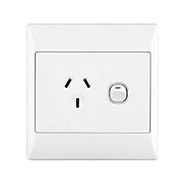
New Zealand’s electrical standard is 230/240 Volts AC, 50 hz. Please make sure your electrical items like chargers and laptops can accept this standard. Otherwise you will need an adapter. Their plug is two or three angled, flat pins:


New Zealand has new rules regarding foreign travelers. 

Visa Waiver Citizens

If you are from a visa-waiver country (most countries included the USA), you need to obtain a New Zealand electronic Travel Authorization (NZeTA). You will need to pay the processing fee ($17-23 NZD), plus an International Visitor Conservation and Tourism Levy (IVL) which is $100 NZD. I recommend getting your NZeTA at least a week prior to the trip due to processing times. Obtain your NZeTA here:

NZeTA Website

Non-Visa Waiver Citizens

If you are from a non-visa waiver country, you will need to check your traveler requirements on the NZ Immigration Website here:

https://www.govt.nz/browse/immigration-and-visas/visitor-visas-and-the-nzeta/check-if-you-need-a-visitor-visa-or-an-nzeta/

COVID-19 Info

Travelers are no longer required to fill out a covid-19 declaration form or provide proof of vaccination before visiting NZ. That being said, COVID-19 still presents a risk while traveling. If you contract COVID-19 while in New Zealand you will be required to isolate for 5 days. Therefore, trip insurance is required for this tour. See the Health and Safety section for more details. 

Food

Bottomless Snacks

On the coach we will have bottomless snacks like fruit, cookies, crackers, popcorn, chocolate, chips, and other nibbles throughout the tour. If you have any dietary restrictions please let us know.

Breakfasts
A full, cooked breakfast is included every morning of the tour. 

Lunch
Most people will find they are too full from breakfast to eat a full lunch. But we will organize stops for food as needed. Lunch is not included as part of the tour.

Dinner
Included every day during the trip. However, alcoholic drinks are not.

Approx. Food Costs (1 NZD = 0.60 USD)

  • Coffee: $4 NZD
  • Sandwiches / meat pies: $3 to 15 NZD
  • Fish and Chips: $5 – 14 NZD
  • Burger and Fries: $15 – 25 NZD
  • Pizza: $20 – 35 NZD
  • Dinner in a Restaurant: $20 – 50 NZD
  • Domestic Beer: $7-9 NZD

Field Etiquette

Common courtesy is king. Don’t leave your bags or tripods lying around. Ask others if you can walk in front of them. Communicate politely when someone gets in your shot. It’s bound to happen, so just be nice about it.

Transportation

Transportation is provided throughout the tour in our own private coach, starting on the first full day, and ending on the day we arrive back in Christchurch. 

Leave No Trace

During the tour we will follow the 7 Leave No Trace principles:

  1. Plan Ahead & Prepare – for each excursion we will have a plan to ensure we have enough food, water, and safety supplies.
  2. Travel on durable surfaces – we will never drive off-road. And when hiking we will avoid areas where foot travel could leave a lasting impact.
  3. Dispose of waste properly – we will pack out all waste from our field excursions, including any random trash we find.
  4. Leave what you find – don’t disturb rocks or vegetation. No souvenir collecting.
  5. Minimize campfire impacts – NA for this trip.
  6. Respect wildlife – don’t approach wildlife or behave in a way that impacts their natural behavior. E.g. don’t leave food behind or disturb their habitat.
  7. Be considerate of others – this tour is conducted on public lands and we will have other visitors near us. Be considerate of them and each other so that we can all enjoy the landscape. 

Camera Gear and Other Equipment

  • DSLR or Mirrorless Camera.
  • Lenses from wide to telephoto. We recommend the following four lenses or equivalent:
    • Ultra Wide (14-24mm or 16-35mm)
    • Mid Range (24-70mm)
    • Short Telephoto (70-200mm)
    • Optional – Long Telephoto (100-400 or 200-500mm)
  • Sturdy tripod.
  • Extra Memory Cards (we recommend at least 128-256 GB total), extra batteries and a charger.
  • Filters. I recommend a CPL, plus 6-stop and 10-stop NDs.
  • Remote Shutter Release.
  • Camera Manual.
  • Chamois Cloth to wipe down your lenses and filters.
  • A blower to keep your gear dust free.
  • Optional: Camera Rain Sleeve / Shower Cap.
  • Flashlight or Headlamp.
  • Refillable water bottle.
  • Comfortable camera backpack you can hike with.
  • Trekking poles can be very helpful.
  • A laptop if you wish to edit your photos during the tour.

Clothing

Due to variable conditions, we recommend bringing multiple layers of non-cotton clothing (Merino wool and synthetics are highly recommended). Specifically you should pack:

  • Base layers for top and bottom.
  • A warm jacket and pants.
  • A warm hat and gloves.
  • Warm socks and sturdy footwear. We recommend two pairs of shoes: waterproof hiking boots for our photo excursions, and casual shoes for dinners and walking around during the day.
  • A windproof rain jacket and rain pants. Mandatory.
  • Lighter layers for warm days. A sun hoodie or wicking long-sleeve shirt will be comfy and prevent you from getting sunburned.
  • Shorts or lightweight pants, and lightweight hiking socks.
  • A wide-brim hat, sunglasses, and a large water bottle will be indispensable.
  • A change of “city clothes” for dinner and walking around during the day.
  • Sunscreen is also a must.
  • Bug repellent. You can buy it at any pharmacy in New Zealand. Wear light-colored layers for when we are in sandfly areas. 
  • Highly recommended: a black, non-reflective jacket or hoodie for our scenic flights will dramatically help cut reflections off the windows.
  • DO NOT BRING: lots of changes of clothes. You will find that you tend to wear the same thing day after day. Most of our hotels will have laundry facilities.

Please do not overpack. The Sprinter van has enough space for all of us to bring a SINGLE large suitcase plus a camera bag and another small bag like a laptop. 

At this time of year the weather is typically excellent for photography, with lots of mixed clouds and sun, which means great light. Expect temperatures between 30°F and 70°F (-1°C – 21°C). Also, don’t forget that even though a 50° morning doesn’t sound very cold, it can be downright chilly when you are standing still for an hour doing photography. This goes 2x if the wind is blowing.

Be sure to check the updated forecast for Christchurch, Nelson, Fox Glacier, and Arthur’s Pass before you travel, and be prepared for wind, rain, and even snow.

New Zealand has two kinds of large wildlife: birds, and aquatic animals. We’ll see birds for sure, and in Arthur’s Pass it’s very likely that we’ll encounter two of my favorites: the kea (mountain parrot), and the fantail. In terms of sea life there’s an excellent chance we’ll encounter dolphins and whales.

Sandflies

In some areas we will encounter sandflies, New Zealand’s pesky flying insect. These flies are small and silent but can produce very itchy bites. In general sandflies are attracted most to ankles, wrists, and dark clothing. The best defense is to cover up completely with light-colored garments and have a hood or hat to protect your head. Sandflies won’t come out in the cold, the wind, or after dark.

Strong bug repellent (available widely in New Zealand) is also effective at keeping sandflies at bay. Sandflies are most prominent in low-lying gravelly or coastal areas, such as Milford Sound and areas of Mt. Cook National Park. In these areas I try to cover up from head to toe and am almost never bothered. But it is important to note that sandflies can be annoying if you are not prepared.

For more information on sandflies please visit this webpage: http://www.teara.govt.nz/en/sandflies-and-mosquitoes/page-1.

If you are especially susceptible to or frustrated by insect bites, you may wish to purchase an inexpensive head net: http://www.bestglide.com/Basic_Head_Net_Info.html

Travel, Health, and Camera Insurance

Travel insurance is REQUIRED for this trip, which will reimburse you if you need to cancel for any reason, including COVID-19. It can also provide medical coverage, lost luggage coverage, and other benefits while abroad, and policies are generally inexpensive.  IMG and Travel Guard are reliable companies.

IMG Plans

Travel Guard Plans

It is important to note that travel insurance will generally only cover up to a certain dollar amount for high value items like cameras and computers. Therefore please pay close attention to the coverage on your policy. You may need to have your homeowner’s or renter’s insurance cover these items if you wish to have them fully insured. CHUBB provides outstanding camera insurance through the North American Nature Photography Association.

Getting Sick While On Tour

Unfortunately it does happen. Prior to the tour you should stock up on Vitamin-C, Airborne, or your favorite immune booster. During the tour make sure to get plenty of rest and drink lots of fluids to help prevent the chance of getting sick. We will have hand sanitizer onboard the coach at all times.

Motion sickness may also be a factor on New Zealand’s curvy roads. If you suffer from motion sickness please let us know and we will provide ginger beer as a great-tasting remedy, or seat you at the front of the bus.

Medication and Allergies

Please bring any medication along that you require and advise us of any allergies. In some areas we will be 2-3 hours from the nearest doctor’s office or pharmacy, so be prepared.

Safety 

Your guides are first aid / CPR / wilderness first aid certified. They each carry a first aid kit and emergency supplies. Your lead guide carries a GPS locator beacon. In the event of an emergency, get to a safe area, stay put, and call 111.

Our tour runs in accordance with a fully audited and Department of Conservation-Approved Safety Plan that is in full compliance with New Zealand standards and best practices for Alpine Hiking and Tramping. You can view the safety plan documents here:

Safety Management Plan

Standard Operating Procedures

Cancellation and Refund Policy

Deposits are non-refundable. Additional payments toward your balance are fully refundable up to 120 days before the tour. If you withdraw from the tour and we are able to fill your spot, we will refund your payments (including deposit), less a $200 administrative fee and any discounts given to fill the space.

We strongly recommend purchasing trip insurance to cover your costs in case of cancellation or withdrawal. 

If you have a personal emergency such as a medical emergency or a death in the family, please contact us. We are willing to work with you to reschedule or refund your fee on a case-by-case basis. This tour requires a minimum of 5 participants. In the case of under-subscription we reserve the right to cancel the tour, in which case your registration will be transferred to another tour of your choosing. Or we may conduct the tour with a single instructor. 

COVID-19

New Zealand does not have any COVID vaccine or testing requirements. That being said, if you are sick prior to the tour, please stay home. We will work with you for a trip credit. If you test positive for COVID-19 while on the tour you will be required to isolate in place until your symptoms have resolved. 

Trip insurance is REQUIRED on this trip and will give you peace of mind in case of sickness. Check with your credit card for its trip insurance coverage.

Acknowledgement of Risks

Please download and sign this form, and bring it with you to the initial meeting. You can also email us a digital signed copy.

Image Use

During this workshop we may take behind the scenes photos and videos of the participants. These photos are used to share among the group, as well as for promotional purposes on our website or other marketing materials. If you would prefer to not have your image appear in these materials, please let us know.

Thanks for your order. Please wait a moment while we process your payment.